Birth Control Pills: A Guide to Your Options
Birth Control Pills: A Guide to Your Options
Understanding the Category of Birth Control
Birth control, medically known as contraception, encompasses a wide range of methods and products designed to prevent pregnancy. These methods work through various mechanisms, including inhibiting ovulation, altering cervical mucus to impede sperm movement, or preventing implantation. The landscape of contraception is diverse, offering options that suit different lifestyles, health profiles, and preferences for hormonal versus non-hormonal approaches.
The effectiveness and accessibility of these methods have significantly impacted public health and family planning globally. Modern contraception methods range from short-acting reversible options, like pills and injections, to long-acting reversible contraception (LARC) such as IUDs and implants, and permanent sterilization procedures. Understanding the specific actions of different pharmaceutical agents within this category is crucial for informed decision-making.
Hormonal Methods: The Core of Pharmaceutical Contraception
Many effective birth control options rely on synthetic hormones—estrogen and progestin—to regulate the menstrual cycle and prevent conception. These hormonal methods are highly popular due to their reliability when used correctly and their convenience. They often come in pill, patch, or ring forms.
The combination of estrogen and progestin is common in many prescription contraceptives. These formulations aim to mimic the natural hormonal states of pregnancy, thereby signaling the body not to release an egg. However, specific formulations vary greatly in dosage and type of hormones used.
Focus on Specific Pharmaceutical Agents in Contraception
Within the vast category of birth control, several specific medications and combinations play distinct roles, whether as primary contraceptives, emergency contraceptives, or treatments for related gynecological conditions.
Emergency Contraception: The Role of Plan B
Emergency contraception (EC) is a method used after unprotected sexual intercourse or contraceptive failure to significantly reduce the risk of pregnancy. It is often referred to by the brand name Plan B, which typically contains a high dose of levonorgestrel.
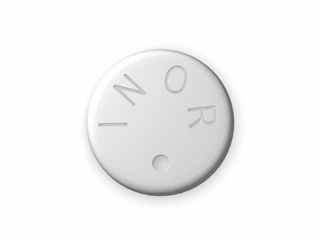
This type of medication is designed for temporary, acute use rather than regular contraception. Its mechanism primarily involves delaying or inhibiting ovulation, which is critical in the window following potential conception. Understanding the time sensitivity of EC is a key component of its proper use and effectiveness profile.
Combination Oral Contraceptives: Drospirenone and Ethinyl Estradiol
Combination oral contraceptives (COCs) are a mainstay in daily birth control. One notable formulation involves the combination of Drospirenone and Ethinyl Estradiol. This pairing uses a synthetic estrogen (ethinyl estradiol) along with a specific type of progestin (drospirenone).

Drospirenone is unique among progestins because it possesses anti-mineralocorticoid properties. This characteristic means it can help counteract some of the potential fluid retention associated with estrogen, which is a factor considered in patient suitability.
Examples of Brand-Name COCs
Many widely recognized oral contraceptives utilize these hormonal building blocks. Two specific examples highlight variations in formulation and brand marketing within the COC landscape.
The contraceptive Desogen is a commonly prescribed monophasic oral contraceptive. It delivers a consistent dose of estrogen and progestin throughout the cycle, providing reliable cycle control and pregnancy prevention through the established mechanisms of hormonal contraception.
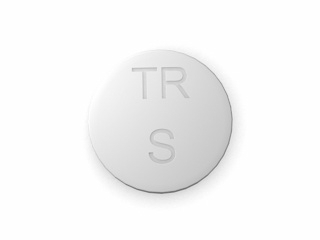
Similarly, Levlen represents another established option within the field of combination pills. Formulations like Levlen often feature specific types and dosages of progestin and estrogen chosen for their effectiveness and tolerability profiles in different patient populations.
Progestin-Only Therapy: The Case of Duphaston
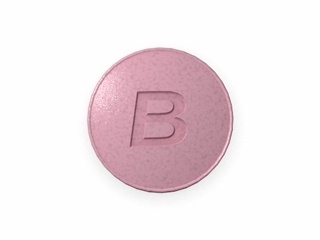
Not all hormonal treatments rely on estrogen. Some individuals require or prefer progestin-only methods. Duphaston, which contains the synthetic progestin dydrogesterone, is a significant medication in this realm.
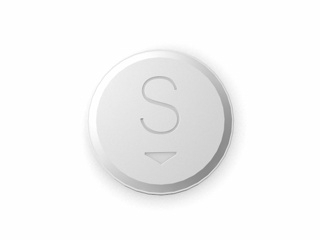
While dydrogesterone is often utilized in various reproductive health scenarios, including managing menstrual irregularities or endometriosis, its role in contraception may differ from standard combined oral contraceptives. It works by influencing the uterine lining and cervical mucus, though its primary indications often center on hormone replacement or cycle regulation rather than primary, continuous pregnancy prevention in all contexts.
Comparing Approaches to Contraceptive Care
The selection of a birth control method depends heavily on individual medical history and goals. While combination pills like those containing Drospirenone and Ethinyl Estradiol, Desogen, or Levlen offer high efficacy with regular use, they are not suitable for everyone due to contraindications related to estrogen.
Emergency measures like Plan B serve a completely different purpose—immediate post-coital intervention—and should not be mistaken for daily contraception. Treatments like Duphaston focus more on specific hormonal balancing acts or support for endometrial conditions.